 English
 Español
 Deutsch
Article Directory
You have a 2012 Nissan HR16 engine on the workbench, a skipped timing chain, and a crankshaft sprocket with two badly worn teeth. You order what looks like the right part using only the vehicle model, and the keyway is 1.5 mm too narrow. The job stops cold.
That scenario happens more often than it should, and it explains why matching an engine sprocket is a verification process, not a guess. The correct approach is threefold: identify the engine code and timing system, confirm the sprocket position and dimensions, and then compare the part against the physical evidence before installation.
Start With the Engine Code, Not Just the Vehicle Model
The same car name can hide completely different engines. A Honda Civic with a 1.8L engine and one with a 2.0L engine will not use the same camshaft sprocket, even if the chassis code is similar. The engine code tells you the actual displacement, valvetrain design, and generation of the powerplant.
Look for the engine code in these places:
- On a machined boss on the engine block, near the transmission bell housing.
- On a sticker on the timing cover or under the VIN plate.
- In the vehicle registration document, usually listed as manufacturer and engine type.
- In the OEM parts catalogue, using the full VIN rather than the model name.
Write down the engine code before looking for sprockets. If the code is missing, use the stamped characters on the cylinder head or the cast number on the block. This first check eliminates most mismatches before they happen.
Determine Which Sprocket You Actually Need
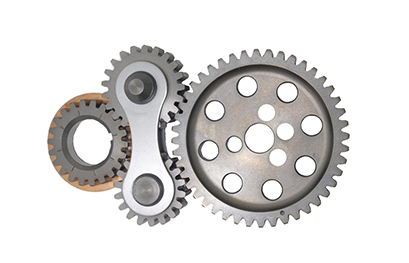
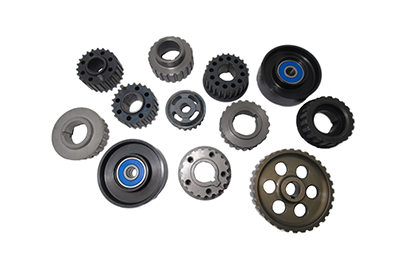
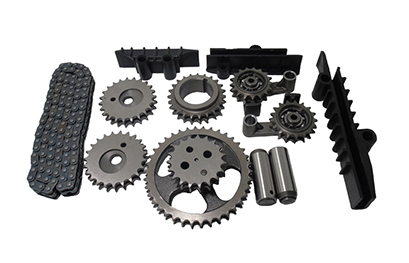
An engine timing system has more than one sprocket. The camshaft sprocket sits on the cam nose, the crankshaft sprocket mounts on the crank, and the oil pump sprocket drives the pump rotor. They look similar in metal, but their bore sizes, widths, and timing mark locations are different.
For example, a Chevrolet timing camshaft sprocket is designed for the camshaft bore and often includes provisions for a VVT phaser. Its crankshaft counterpart has a larger bore and a keyway for the crank nose. If the two are swapped, valve timing will be off and the chain will not seat correctly.
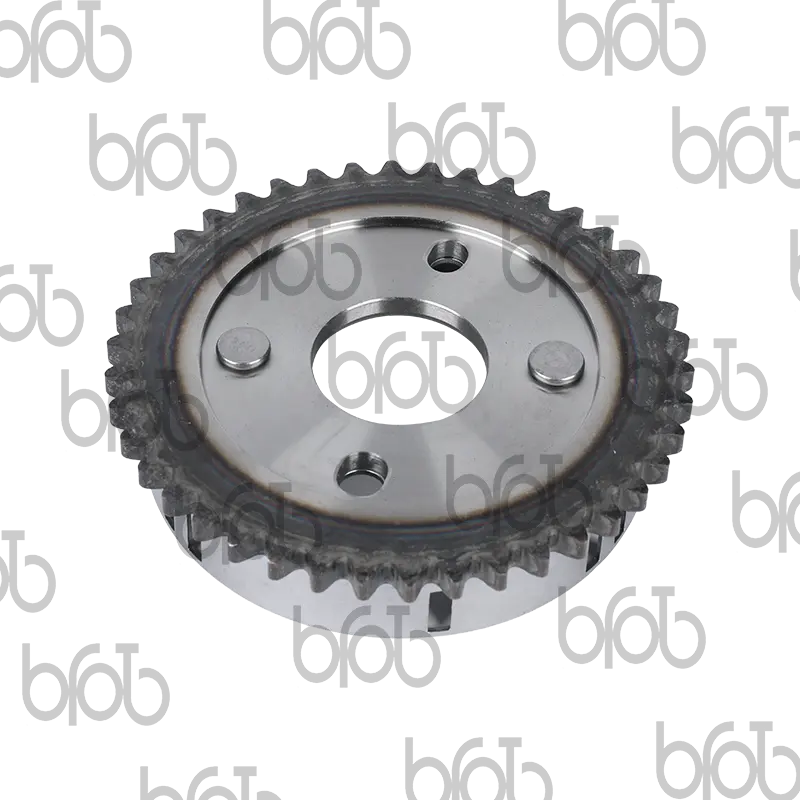
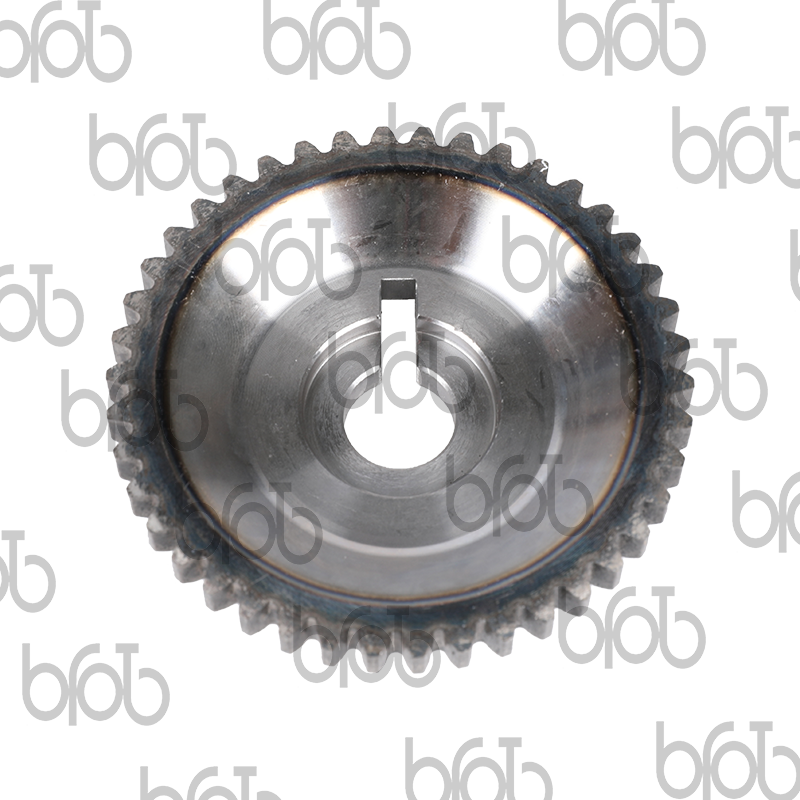
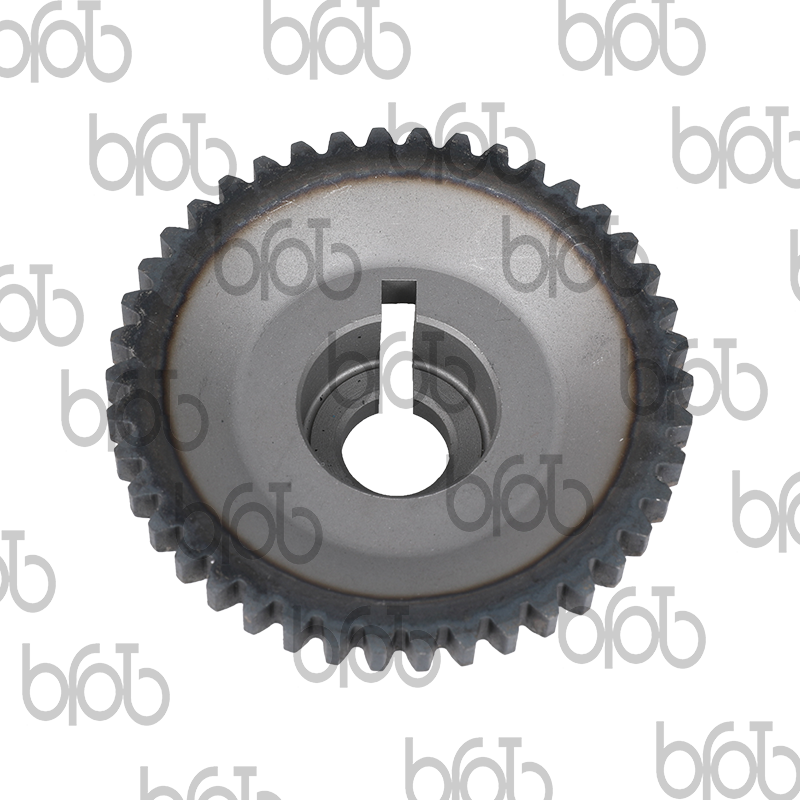
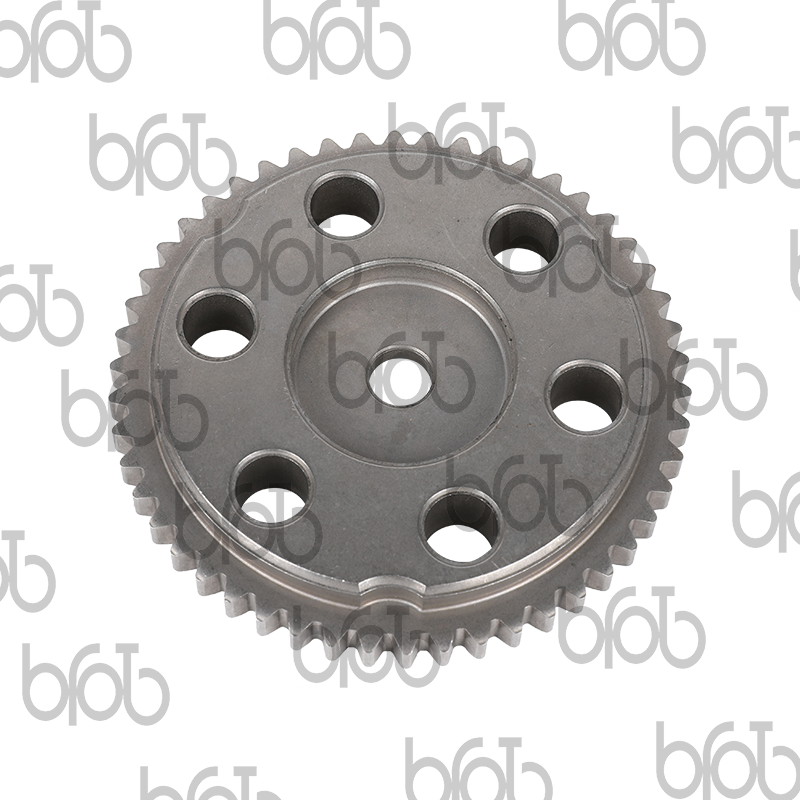
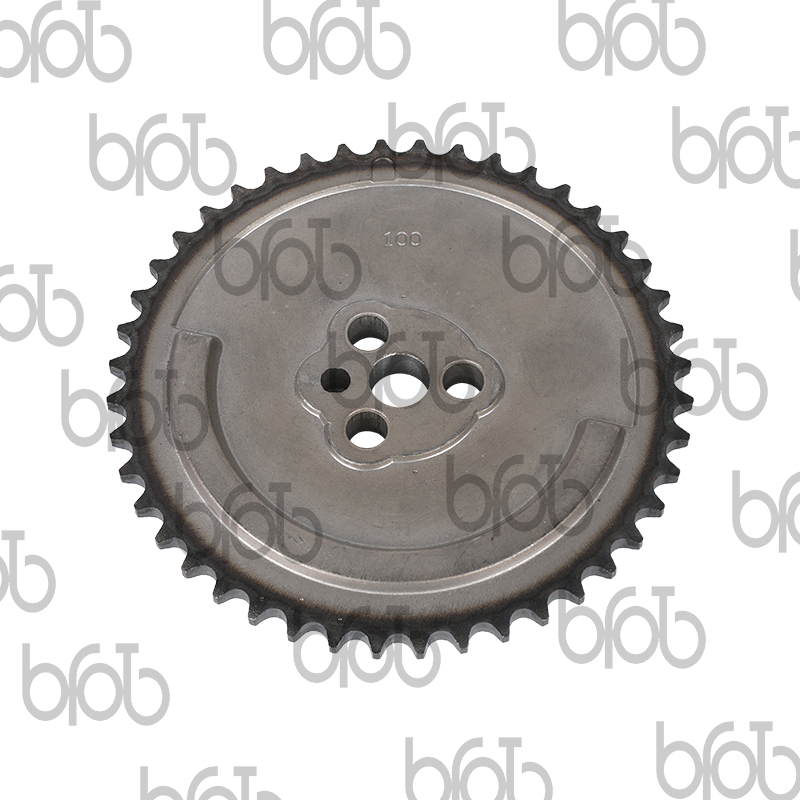 Chevrolet Timing Camshaft Sprocket 12552953 OEM ReplacementDesigned for GM engines with provisions for a VVT phaser, this sprocket ensures correct camshaft alignment. Use it when replacing a worn part, keeping the old sprocket's position as a reference.View Product →
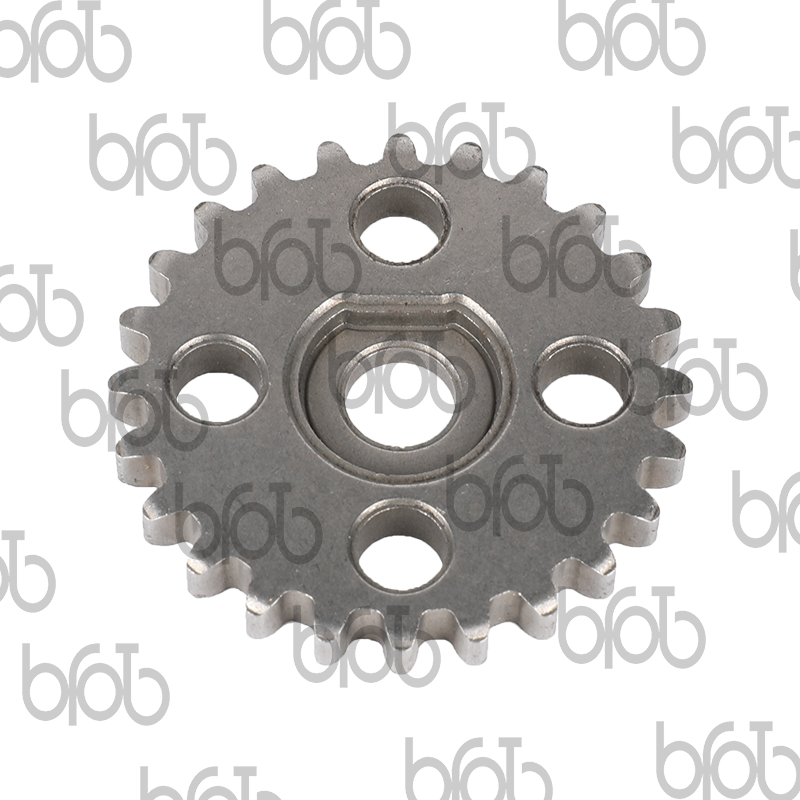
Similarly, an oil pump sprocket must align with the pump drive gears and the crankshaft position at the same time. Always check the location of the old sprocket before you remove it. Take a photo of the sprocket in place, with the timing chain routed around it. That photo becomes your reference for the new part.
Verify the Critical Dimensions of the Sprocket
Once you know the engine code and the sprocket position, measure the part or compare it against the manufacturer's specification. The following dimensions are non-negotiable.
| Specification | Why It Matters | How to Verify |
|---|---|---|
| Tooth count | Determines the gear ratio between crank and cam. One tooth error shifts valve timing. | Count the teeth on the old sprocket or confirm against the OE part number. |
| Chain pitch | Must match the chain's pin spacing (e.g., 8 mm or 9.525 mm). | Measure the distance between tooth peaks and compare to chain gauge. |
| Bore diameter | Must fit the shaft journal with proper interference or clearance. | Measure inside diameter with a bore gauge. |
| Keyway width | Matches the crank key. Loose keyway causes wear; tight keyway prevents assembly. | Check keyway width with a feeler gauge against the original key. |
| Thickness and offset | Affects chain alignment and VVT sensor clearance. | Compare the new sprocket's thickness with the old one using a calliper. |
| Timing marks | Must align with chain links and housing marks for correct TDC. | Rotate the engine to TDC and confirm the marks. |
The tooth profile and hardening also matter. A sprocket that looks right but is machined from soft steel will deform at the tooth tip and cause chain stretch. If any dimension differs from the old part by more than the machining tolerance printed in the service manual, do not install it. For timing chain sprockets, the tolerance on bore and keyway width is typically a few hundredths of a millimetre. A worn keyway on the crankshaft itself also changes the fit, so inspect the shaft as well.
Match the Chain Pitch and Timing System Type
Modern engines use either a single-row chain, a double-row chain, or a toothed belt. Chain pitch varies between engine families. For instance, some small Asian engines use an 8 mm pitch, while many larger engines use a 9.525 mm (3/8 inch) pitch. The sprocket's tooth profile must match both the pitch and the chain width.
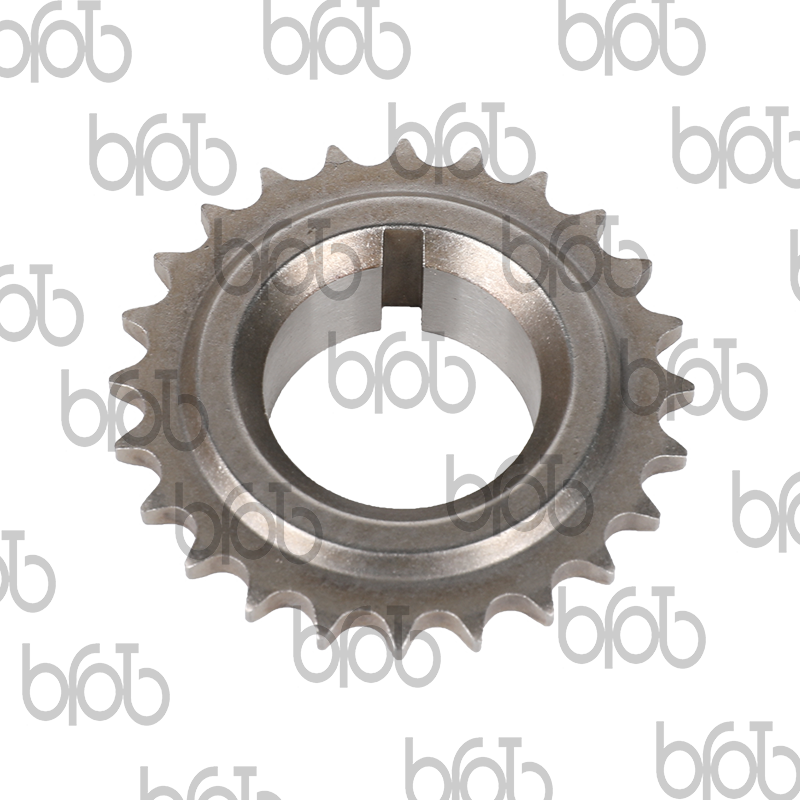
Take the Nissan HR15 and HR16 engines as an example. They are both from the same HR family, but the crankshaft sprocket on the HR16 has a different nose diameter and keyway position than the HR15. Ordering by "Nissan" or "1.6L" alone is not enough; the engine code must match.
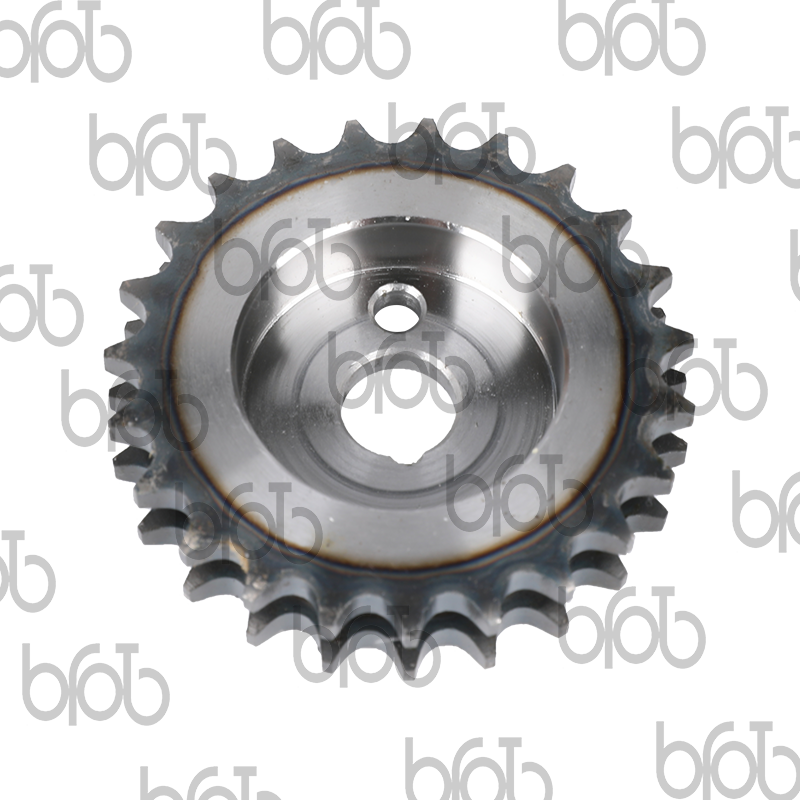
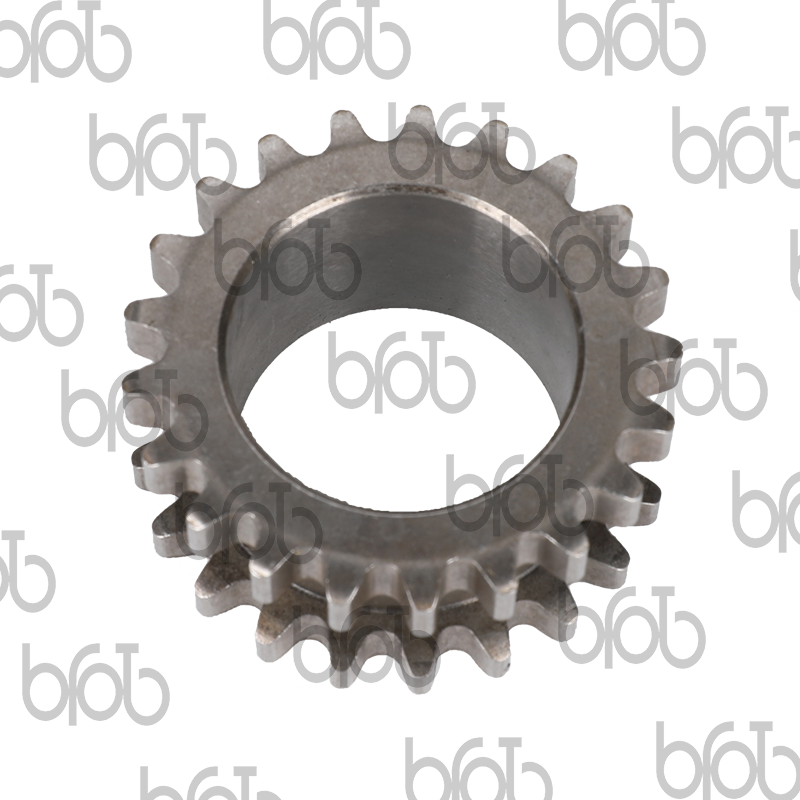
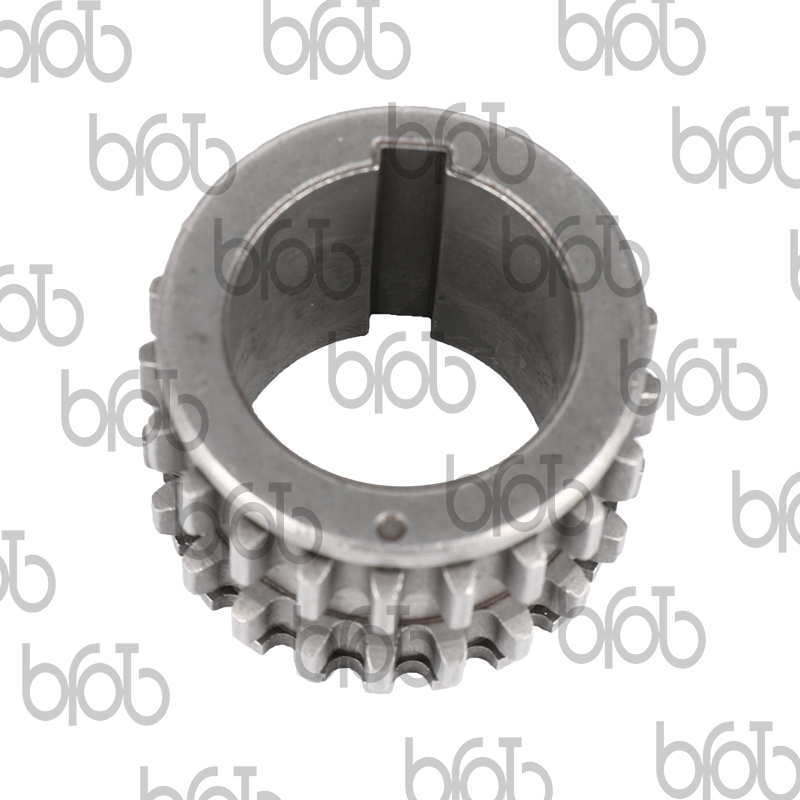
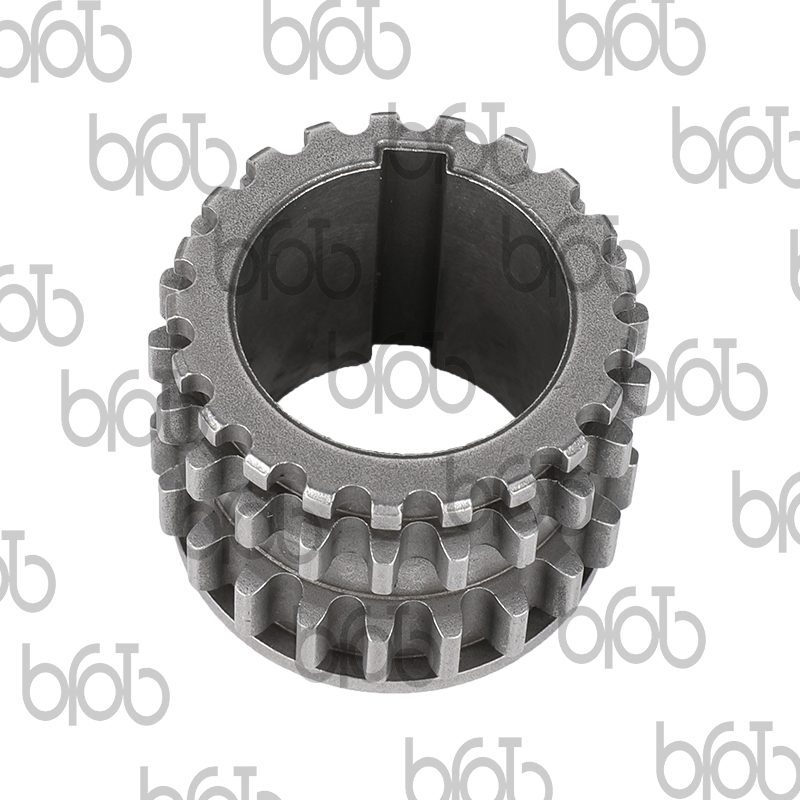
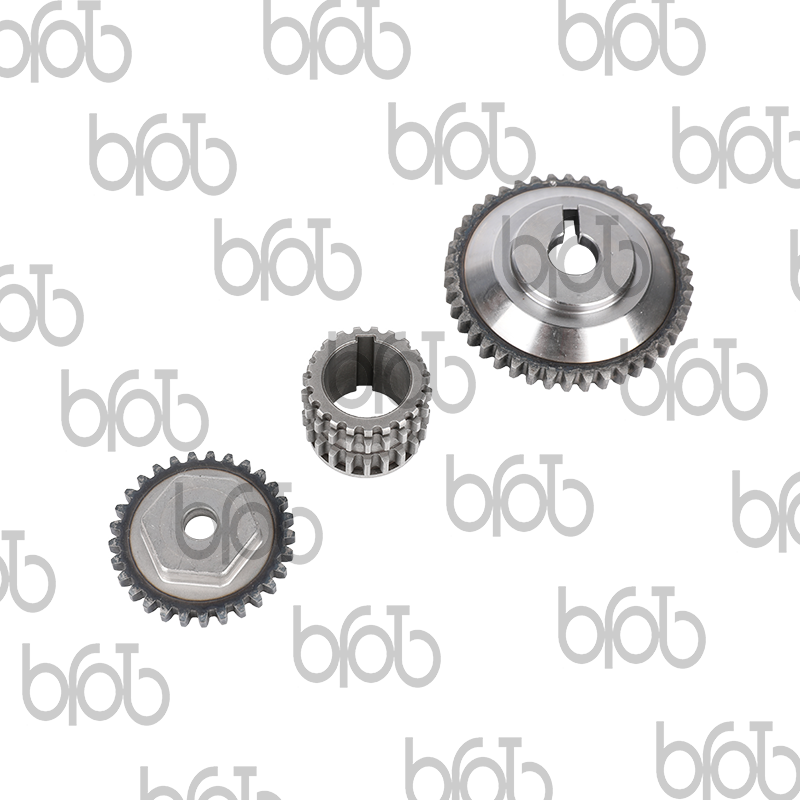 Nissan HR16 Engine Timing Crankshaft GearThis crankshaft sprocket fits the HR16 engine with specific nose diameter and keyway position. Verify the engine code before ordering, as HR15 and HR16 parts are not interchangeable.View Product →
In European engines, the BMW–Mini–Peugeot family often uses the same engine architecture, but the crankshaft sprocket can differ depending on whether it is an N14, N16, or N18 engine. The timing ring for the crankshaft position sensor has different tooth arrangements. Confusing the two leads to a sensor misfire that the ECU cannot clear.
Avoid These Common Mistakes When Matching a Sprocket
In every aftermarket shop, the same missteps show up again and again.
- Relying only on the vehicle year and make, without reading the engine code.
- Confusing the camshaft sprocket with the crankshaft sprocket when both are in a kit.
- Ignoring wear on the shaft keyway, which makes even a correctly sized sprocket sit loose.
- Assuming that all aftermarket sprockets use the same tooth profile and hardening process.
- Forgetting to check whether the original sprocket has an integrated VVT phaser or a separate part.
Each mistake has a predictable consequence: chain slip, timing code, vibration, or premature tooth wear. The repair may run a few hundred miles before failing, which makes the issue hard to diagnose if you do not keep records.
European vehicles are particularly sensitive to sprocket geometry because the timing chain is often buried deep behind the engine. For a BMW, Mini, or Peugeot engine, confirm the exact engine code and the number of teeth before ordering.
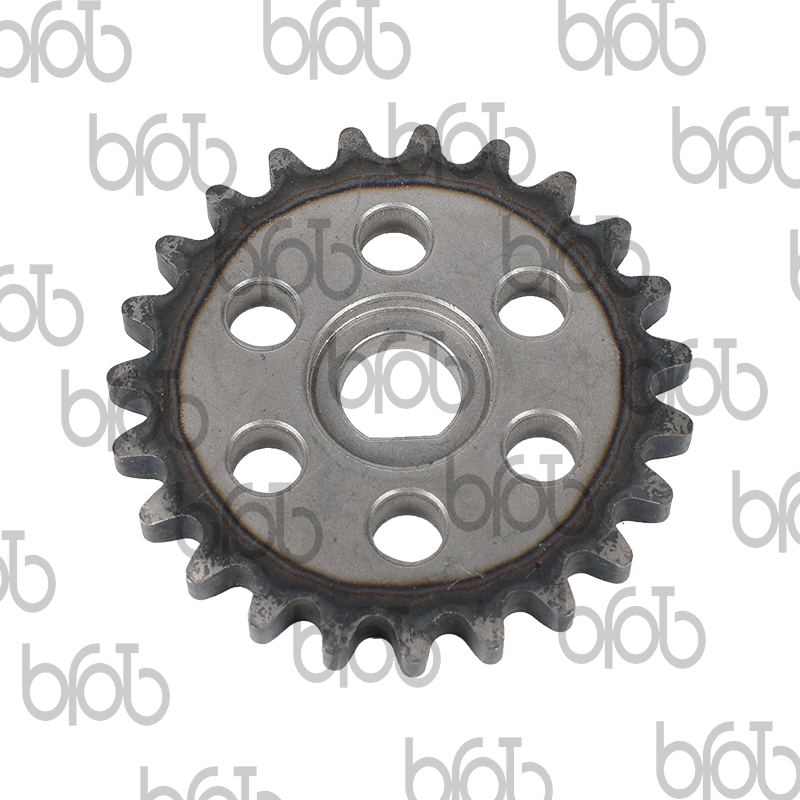
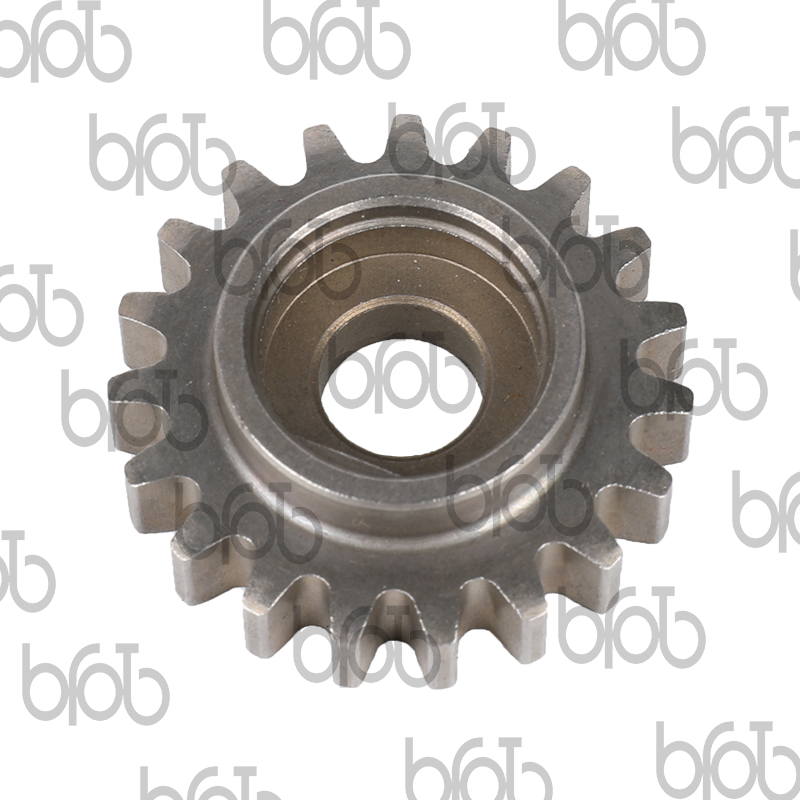
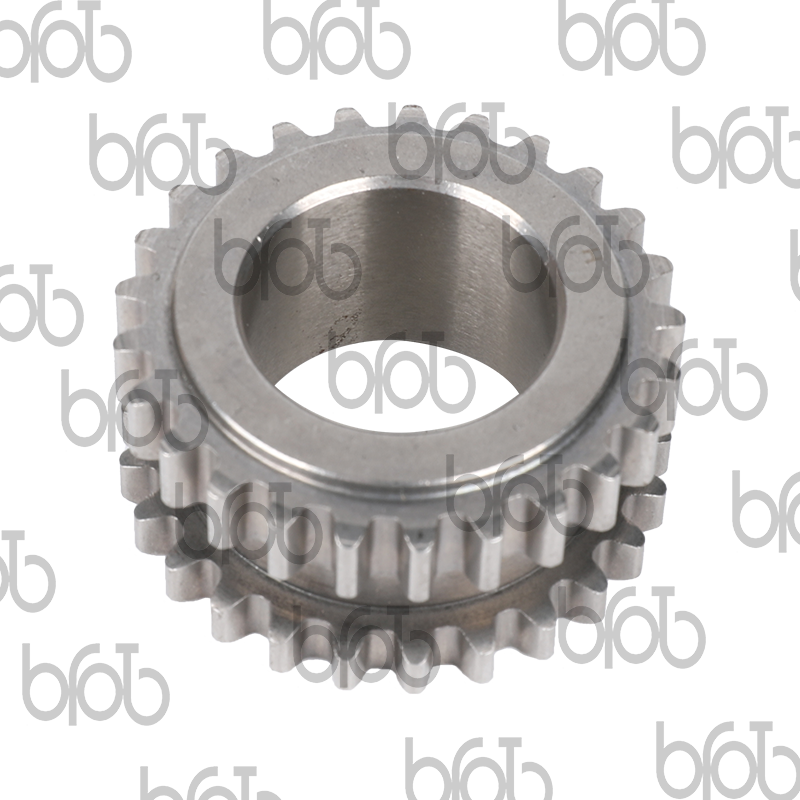
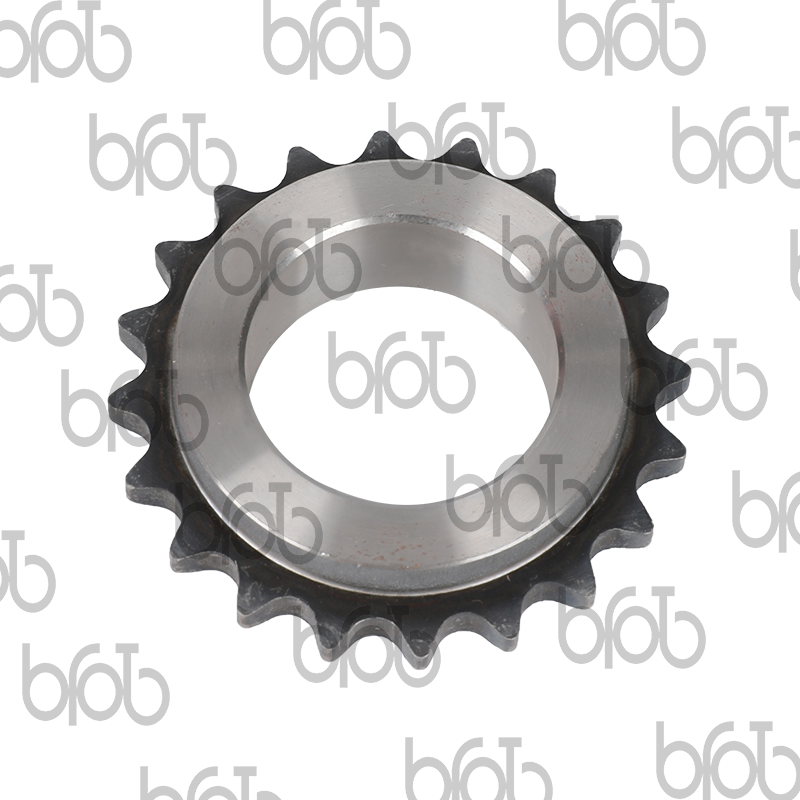 BMW Mini Peugeot Engine Timing Crankshaft SprocketA precision-cast sprocket for BMW, Mini, and Peugeot engines, including 1.6L to 3.0L DOHC versions. Confirm the engine code and tooth count before purchase to ensure correct timing chain alignment.View Product →
Work With a Manufacturer That Validates Fitment
When you call a supplier, ask for the exact bore, keyway, and tooth count. A factory-direct sprocket manufacturer should be able to tell you if a part matches a specific engine code without guessing. Because we machine sprockets in-house, we group products by vehicle family and engine specification, so you can start with the right product page and check the dimensions from there.
Browse our factory-direct engine sprockets for American, Asian, and European vehicle families. If you need installation guidance, this crankshaft sprocket selection and installation guide covers the wear checks and torque steps in more detail. When you work with an experienced manufacturing partner, you can also send a sample or drawing for custom sprockets that are not already listed in the catalogue.
Correct matching is not a single action; it is a sequence of checks. Read the engine code, confirm the sprocket position, measure the critical dimensions, verify the pitch and timing system, and choose a supplier who can validate the part before it ships. Do that, and the sprocket will likely outlast the timing chain.